Indoor Air Quality Testing for Homes That Just Don’t Feel Right
If you notice odors, irritation, poor air flow, or general discomfort inside a property but see no visible mold or water damage, indoor air quality testing can help identify what is actually circulating through the air you breathe.
Performed by licensed mold assessors using calibrated air sampling and laboratory analysis.
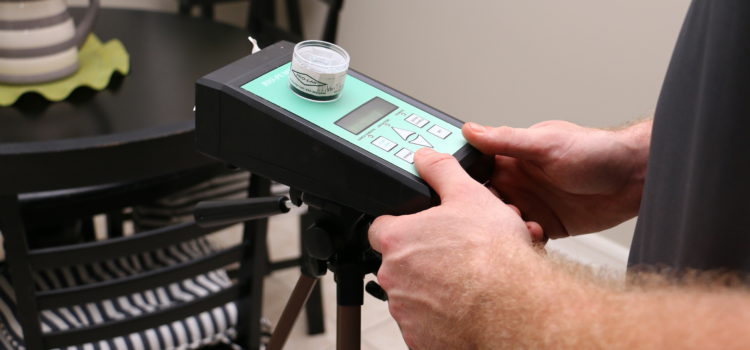
Protect your home and loved ones with accurate air quality testing
Our certified inspectors use advanced testing methods to identify airborne pollutants, allergens, and contaminants, helping ensure a healthier indoor environment and peace of mind.
When Something Feels Off, But You Don’t Know Why
Indoor air quality testing helps identify hidden contributors to odors, irritation, allergies, or general discomfort when there is no visible mold or water damage present.
Beyond Mold — We Test the Air Itself
We evaluate airborne particulates, humidity conditions, ventilation performance, and microbial presence to understand what is actually circulating through your indoor environment.
Answers for Homes, Offices, and HVAC Concerns
IAQ testing is ideal for properties with musty smells, poor airflow, recent construction, HVAC concerns, or occupant health complaints without an obvious source.
Indoor Air Quality Testing for the Problems You Can’t See
Using calibrated air sampling equipment and environmental measurement tools, we analyze the air in your property to determine what may be affecting comfort, health, or building performance.
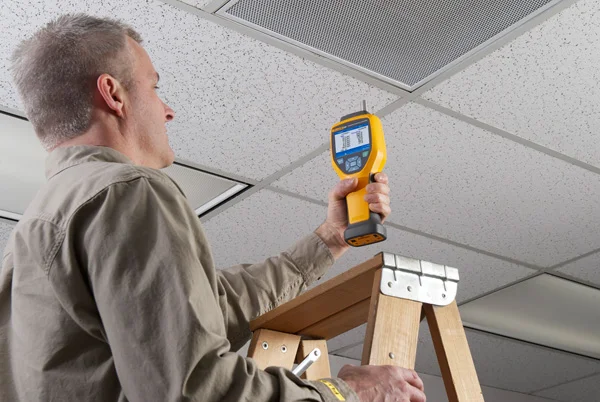
Consider IAQ Testing
Understand Your Indoor Environment Before You Start Tearing Things Apart
Indoor air quality testing is often the first step when something feels wrong inside a property, but there is no visible damage to explain it. Before opening walls, replacing materials, or assuming mold is present, testing the air can identify whether a problem truly exists — and where it may be coming from.
Many comfort issues, odors, and health complaints are related to ventilation, humidity conditions, HVAC performance, or airborne particulates rather than structural damage.
Consider IAQ testing for:
- Persistent odors with no visible source
- Allergy, irritation, or comfort complaints indoors
- HVAC, ventilation, or post-construction concerns
- Persistent odors with no visible source
- Allergy, irritation, or comfort complaints indoors
- HVAC, ventilation, or post-construction concerns
Professional Expertise
Licensed and certified in environmental testing, we deliver accurate results backed by science.
Certified & Independent
We never perform remediation, ensuring all findings remain unbiased and defensible.
Timely & Reliable
We provide prompt inspections and clear reports to keep projects, claims, and cases moving forward.
Dedicated Support
From homeowners to insurers, we work closely with every client to provide clear answers and trusted documentation.
What Is Indoor Air Quality Testing?
Indoor air quality testing is the process of measuring and analyzing the air inside a building for contaminants that may affect the health and comfort of occupants. Common indoor air pollutants include mold spores, volatile organic compounds (VOCs), particulate matter, carbon monoxide, radon, and chemical gases from building materials, furnishings, and cleaning products. Poor indoor air quality can cause respiratory issues, headaches, fatigue, and long-term health problems — often without visible signs.
What We Test For
Super Green Environmental tests for a wide range of indoor air contaminants, including:
- Mold spores and fungal particulates
- VOCs from paints, adhesives, and building materials
- Particulate matter and fine dust
- Carbon dioxide levels indicating poor ventilation
- Chemical pollutants from cleaning products and furnishings
All samples are analyzed by an accredited third-party laboratory. You receive a written report with findings, lab results, and recommendations.
Who Needs Air Quality Testing?
Indoor air quality testing is recommended for:
- Homeowners concerned about health symptoms with no obvious cause
- Property managers conducting routine assessments
- Employers concerned about workplace air quality
- Buyers and sellers during real estate transactions
- Anyone who has experienced water damage, mold, or recent renovations that may have introduced contaminants into the air
What is the difference between mold testing and air quality testing?
Confirms whether mold is present, identifies the type, compares indoor spore levels with an outdoor control sample, and uses moisture mapping to find the water source.
Measures a wider set of airborne contaminants, including particulates, VOCs, carbon dioxide, and chemical pollutants, with mold spores as one component.
Start with mold testing if you can see or smell mold or have had water damage. Start with air quality testing if something feels wrong but nothing visible explains it.
Read the full comparison in mold testing vs. air quality testing, or see how to hire a mold inspector in Florida.
Our Process
- Air samples collectedOur licensed inspectors collect air samples using calibrated equipment following established protocols.
- Accredited lab analysisSamples are submitted to an accredited laboratory for analysis.
- Results in 24–48 hoursResults are typically returned within 24-48 hours.
- Full written reportYou receive a full written report with all findings clearly documented.
Our license number is MRSA2418, issued by the Florida Department of Business and Professional Regulation. We serve all of Florida.
Client Reviews & Feedback


 Trustindex verifies that the original source of the review is Google.
 Trustindex verifies that the original source of the review is Google.
 Trustindex verifies that the original source of the review is Google.
 Trustindex verifies that the original source of the review is Google.
 Trustindex verifies that the original source of the review is Google.
 Trustindex verifies that the original source of the review is Google.
 Trustindex verifies that the original source of the review is Google.
 Trustindex verifies that the original source of the review is Google.
 Trustindex verifies that the original source of the review is Google.
Independent Mold and Air Quality Assessment You Can Trust
From inspection to verification, our licensed mold assessor finds the source, documents what is there, and writes the protocol a separate remediation contractor follows. We never perform the removal ourselves, so our findings stay independent, and we return afterward to confirm the work was done.